
CCTV
Different Types of CCTV Cameras and When to Use Them
Guidance only. Verify any statutory or insurer requirement against current official South African sources. CapeCore does not publish unverified legal claims.
Start with the job, not the catalogue
A camera type is useful only if it matches the view, the lighting and how the footage will be used. Cape Town properties typically need a mix of approach coverage, parking or driveway views, and a few interior or courtyard cameras. The housing is secondary to field of view, mounting height and whether the scene is backlit at sunset.
The four housings you will actually be offered
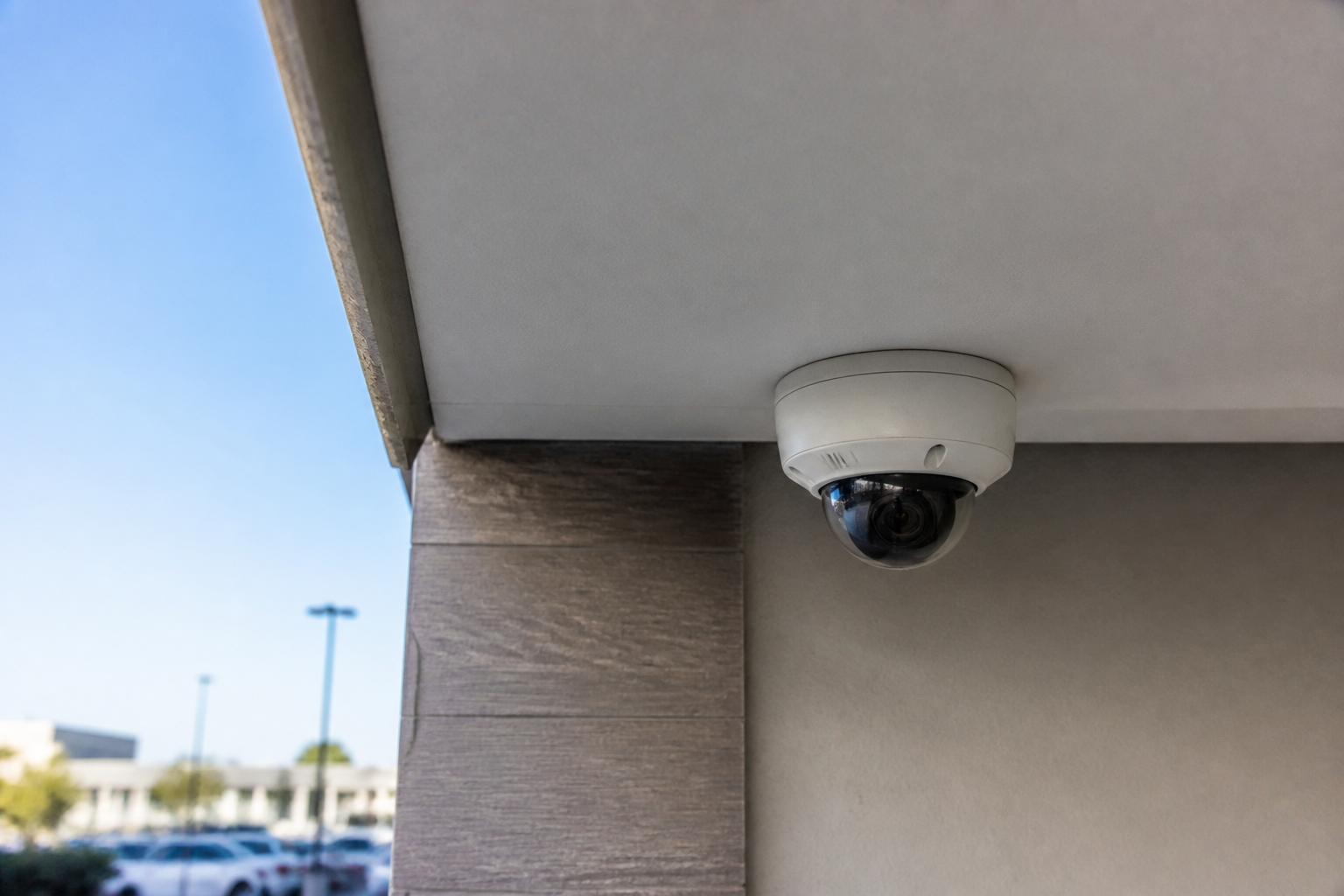
Dome cameras sit under a bubble and are common indoors and under eaves. Bullet cameras have a longer body and a sunshield, which helps on walls and perimeters. Turret cameras leave the lens exposed in a ball mount so there is less IR bounce at night. PTZ cameras pan, tilt and zoom for large yards where an operator may need to follow a vehicle. None of these replace a well-placed fixed camera covering a choke point.
Resolution is not coverage
A 4 MP or 8 MP sensor still fails if the lens is too wide, the camera is too high, or leaves and walls hide the face of a person at the gate. Specify what you need to identify at each point — a number plate, a face, or only presence — then choose the housing that can hold that lens in weather.
How CapeCore specifies a mix
CapeCore designs IP CCTV from commercially available dome, bullet, turret and PTZ cameras, with recording on an NVR. We do not invent camera types. A site assessment looks at power, network, lighting and the openings people actually use.
Related reading
Next step
Request a quote
Tell CapeCore about the property and the systems you need assessed.